

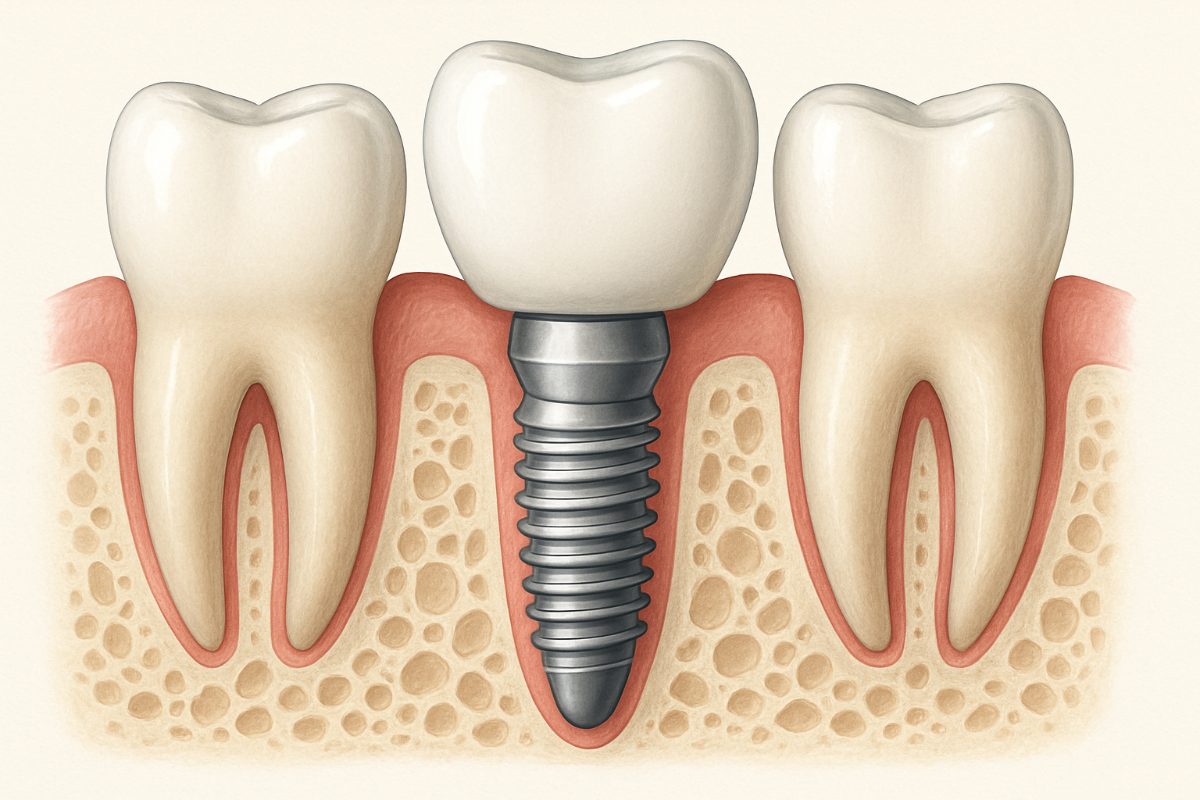
Dental implant systems have changed a lot by 2025. This guide explains what modern systems are and why the updates matter. You’ll learn the main types, key parts, how digital tools help, how to choose the right system, and what recovery looks like.
Why Modern Dental Implant Systems Matter in 2025
Advances in materials and digital planning have made implants more predictable. New implants use better alloys and ceramics. 3D scans and guides let surgeons plan exactly where to place implants. These changes raise success rates and cut treatment time for many patients.
Main Types Of Dental Implant Systems
Traditional titanium screw implants
Titanium screw implants are the most common. They bond well with bone and last many years. Dentists use them for single teeth, multiple teeth, and full arches.
Zirconia (ceramic) implants
Zirconia implants are metal-free and tooth-colored. They are chosen for patients with metal sensitivities or who want better front-tooth aesthetics. They can be very strong but may be less studied long-term than titanium.
Mini implants
Mini implants are smaller in diameter. They are used for temporary stabilization or when bone is thin. Pros: less invasive and lower cost. Cons: not ideal for heavy biting forces or long-term single-tooth replacement.
All-on-4 / full-arch implant systems
All-on-4 and similar systems support a full arch on just four to six implants. They can restore function faster and often allow same-day teeth. These systems work well for people missing many teeth or who want fixed dentures.
Key Components Of A Dental Implant System
The implant fixture
The fixture is the root-form piece placed in bone. Common materials are titanium and zirconia. The fixture’s design affects stability and bone healing.
Abutments and prosthetics
Abutments connect the implant to a crown or denture. Prosthetics can be screw-retained or cemented. Screw-retained restorations are easier to remove for repairs.
Digital tools: CBCT, guides, and 3D printing
CBCT scans show 3D bone anatomy. Surgical guides based on scans help place implants precisely. Labs use 3D printing to make custom parts faster and more accurate. Digital tools like these enhance accuracy and patient comfort.
How To Choose The Right Dental Implant System
Clinical factors
Bone volume, gum health, and overall health affect system choice. If bone is low, grafting or angled implants may be needed. In some cases, teeth may also need to be aligned before implant placement so the spacing and bite are correct. Orthodontic treatment can help create that foundation, which is why some patients are referred to orthodontic specialists such as Amazing Smiles Orthodontics before moving forward with implants.
Provider skill and experience
Surgeon training and case volume matter. Experienced providers can handle complex cases and choose the best system for your situation.
Material, warranty, and long-term costs
Consider upfront price, expected life span, and long-term costs. A cheaper implant may cost more over time if repairs are needed.
What To Expect: Recovery And Long-Term Care
Healing usually takes weeks to months. Pain and swelling peak in the first few days. Follow oral hygiene rules, avoid hard foods early, and attend follow-up visits. Most modern systems show high success rates when cared for properly.
How Practices Use Technology With Dental Implant Systems
Many practices offer guided surgery, same-day provisional teeth, and lab partnerships for fast, precise results. These tools reduce chair time and improve fit. Mention your practice only when you discuss specific services during a consultation.
Looking For Modern Dental Implant Systems?
Ask about the implant type, digital workflow, success rates, and long-term costs at your consultation. A good provider will explain options and show before-and-after cases. Call to schedule an implant consultation and learn which dental implant systems fit your needs.
